Feed the Media
FEED THE MEDIA 101 + BOOTCAMP COURSE ACCESS
Handle media requests with confidence, secure media attention for your stories, and more…
A practical training for resume writers and career industry professionals who want to be prepared when media opportunities arise.
There’s constant media coverage about AI, hiring, resumes, and job search trends, but very few of the voices being quoted are resume writers or career industry professionals.
When knowledgeable practitioners aren’t part of those conversations, jobseekers receive advice without the context or real-world experience we bring to our work every day. For many career industry professionals, the barrier isn’t lack of expertise, it’s uncertainty about how to engage with the media professionally.
Feed the Media was created to change that.
This course isn’t about chasing publicity, building a personal brand, or becoming famous. It’s about being ready, so if a reporter emails you tomorrow, you know exactly what to do.
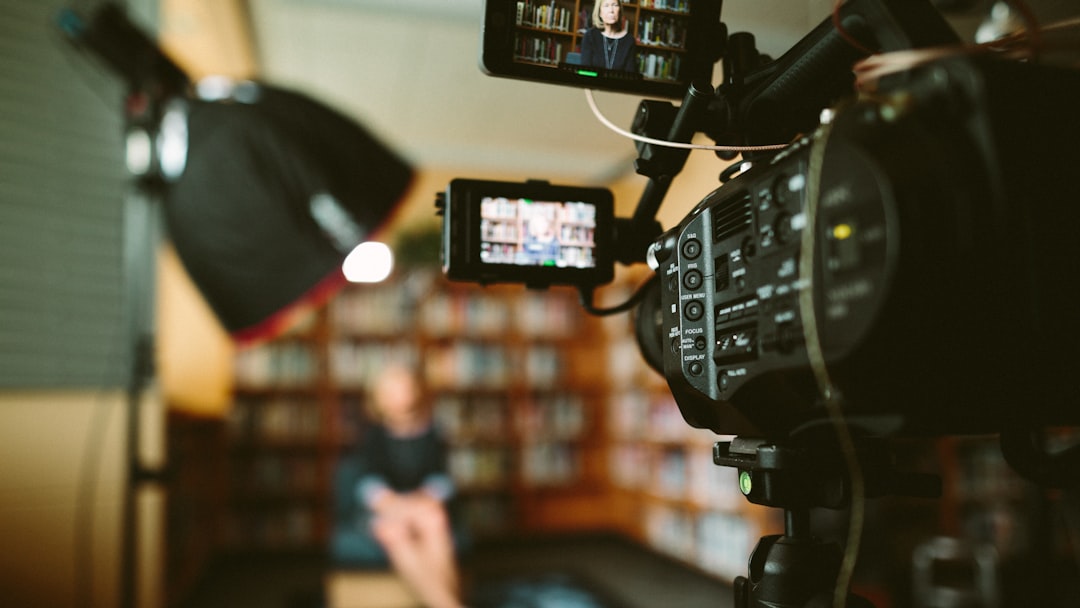

What this course includes:
The Feed the Media course includes four modules. Each webinar was recorded live and is paired with practical handouts and tools you can reuse over time.
You can watch on your own schedule, pause and revisit lessons, and return to the materials whenever a media opportunity comes up.
Module 1: Feed the Media 101
A foundational session focused on readiness.
This introductory session lays the groundwork for working with the media professionally. You’ll learn how reporters actually use expert sources, how to respond to media inquiries without overthinking, and how to prepare simple talking points so you sound clear, credible, and quotable, without scripting or sounding rehearsed. This session is about understanding expectations and reducing your anxiety before any outreach happens.
Handouts: Talking Points Builder Worksheet • Media Requests: What to Do and What Not to Do • Media Request Response Scripts
Module 2: Bootcamp Session 1 – How Media Coverage Actually Happens
Understanding how media coverage actually happens.
This session breaks down how reporters find, evaluate, and shape stories. You’ll learn what makes something media-worthy, how media requests differ from proactive pitching, and where career professionals naturally fit into coverage. The goal of this session is clarity: Understanding the system so your media engagement is intentional.
Handouts: Media Landscape & Story Flow Overview • Media-Worthy Ideas Brainstorm Sheet • Story Angle Worksheet • Pitch Dos/Don’t Checklist • Pitch Builder Worksheet • Media Readiness Framework
Module 3: Bootcamp Session 2 – What to Say When the Mic Is On
Interviews, messaging, and professional boundaries
This session focuses on performance and presence. You’ll learn how to identify appropriate story angles tied to your expertise, stay on message during interviews, handle curveball questions, and share insight without selling or self-promotion. This is about becoming a strong, reliable interview — someone media professionals want to work with again.
Handouts: Before the Interview Quick Prep Guide • Interview Countrol & Bridging Cheat Sheet • Message & Soundbites Worksheet • Curveball Question Prep Sheet • 75 Practice Media Questions
Module 4: Bootcamp Session 3 – Putting the Pieces Into Place
Media kits, press releases, and practical PR execution
This is the execution session. You’ll learn how to build the core assets media expect, including a simple media kit, and how to use press releases correctly. We’ll cover practical distribution methods, professional follow-up, and how to make yourself easy to work with in real-world media situations. You’ll also learn how to turn one media opportunity into the next, so media visibility becomes repeatable. You’ll leave this session with assets, clarity, and a usable system.
Handouts: Media Kit One-Pager Worksheet • Press Release Decision Guide • Press Release Distribution & Follow-Up Tracker • The Publicity Flywheel Worksheet
PLUS: Media Pitch Email Templates AND 30 Fill-in-The-Blank Press Release Templates
Each module includes the full replay video plus downloadable worksheets, checklists, and templates.
In this course, you’ll learn:
How media coverage actually works and how career-related stories are developed
What reporters need from expert sources — and how to deliver it clearly
How to respond confidently to inbound media requests
The difference between responding to requests and pitching story ideas
How to identify media-worthy angles
How to prepare short, quotable talking points quickly
How to pitch ideas professionally (without pressure or hype)
How to navigate interviews and stay on message
How to create simple, reusable media-ready assets
How to leverage media coverage for credibility, not self-promotion
This course is designed for:
Resume writers
Career coaches and career industry professionals
Practitioners who want clarity and confidence around media engagement
Professionals who want to be prepared
No PR background is required. No pitching is required. And you never have to pursue publicity to benefit from this training.
This course is not designed for:
Jobseekers
Entrepreneurs looking for influencer-style publicity
Anyone seeking aggressive media exposure or personal branding tactics
The focus here is professionalism, readiness, and credibility.

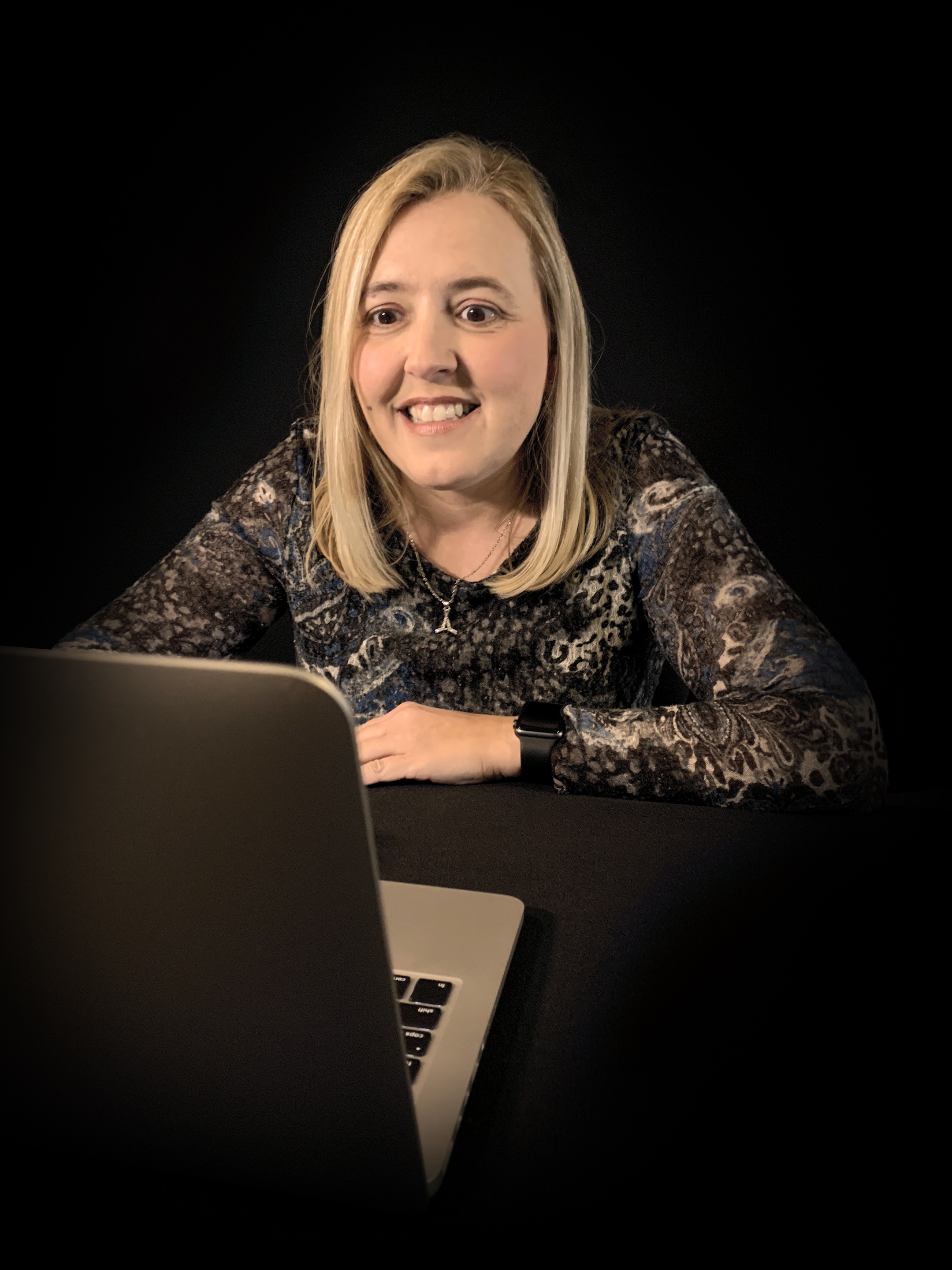
Hi, I’m Bridget
Your Instructor
I wrote my first resume at the age of 12 for my dad, who had been fired from his job working as an accountant for my uncles’ company. (He saw things in black-and-white; my uncles preferred various shades of gray.)
After graduating college, my husband and I started our business, and I’ve written thousands of resumes
(literally, from A to Z … it was awesome to finally secure that zookeeper client!) over the past 20+ years.
This course includes tips, tricks, and techniques to handle media requests and position yourself as an industry expert to various media outlets.
With this course, you can:
Learn at your own pace
Revisit specific modules when opportunities arise
Use the worksheets repeatedly for different media situations
Build confidence over time, not all at once
You already explain complex ideas clearly.
You already help people communicate under pressure.
You already know more than you think.
Feed the Media simply shows you how to apply those skills in a media context.
Ready to get started?
Enroll now to access the videos and supporting materials.

FEED THE MEDIA
TAKE THE COURSE
© 2026 Resume Writers University | All Rights Reserved